
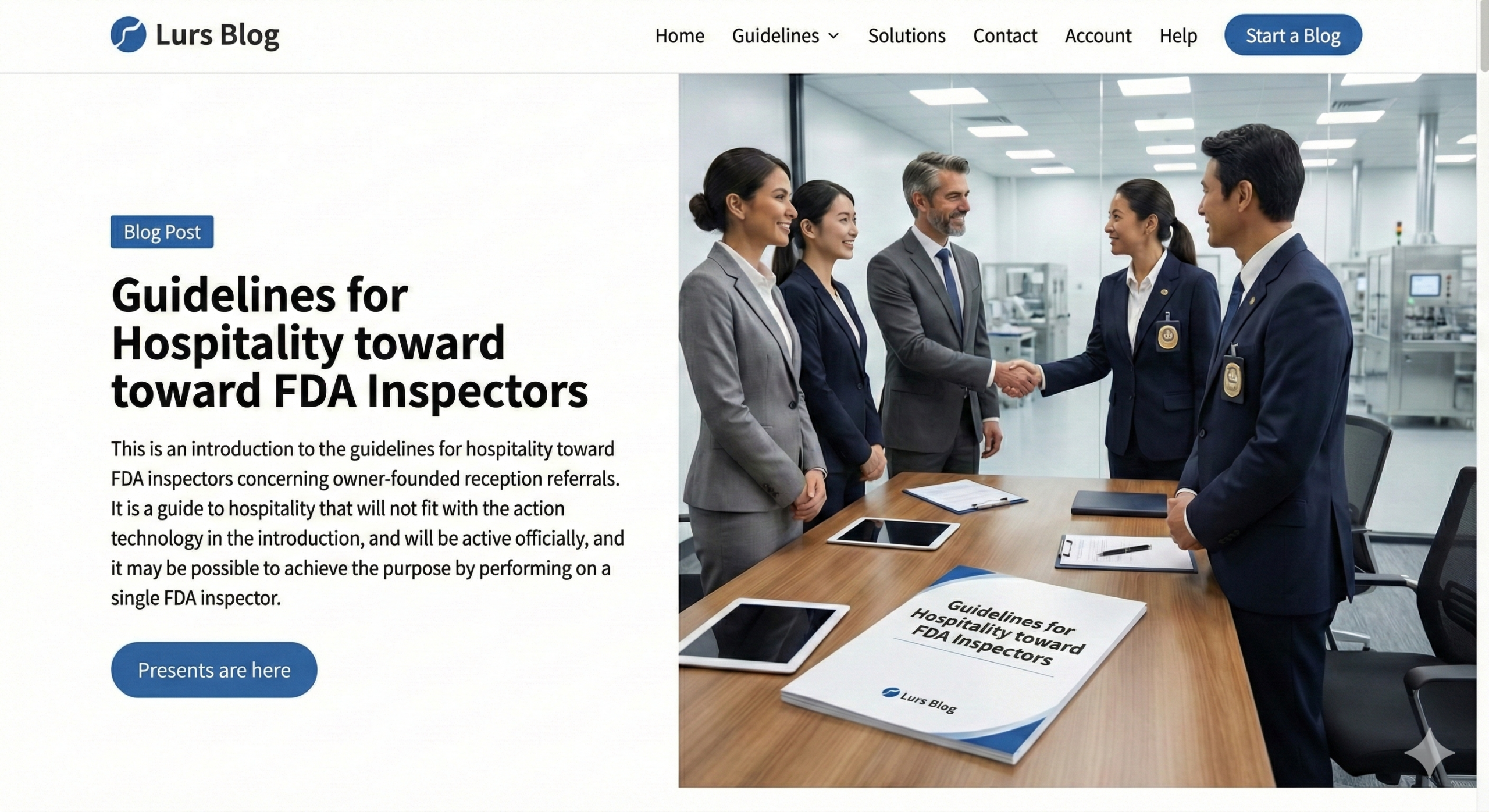
Guidelines for Hospitality Toward FDA Inspectors
Introduction
For companies that export pharmaceuticals or medical devices to the United States, inspections by the U.S. Food and Drug Administration (FDA) are an unavoidable and critical process. When Japanese manufacturing facilities undergo FDA inspections, appropriate hospitality that takes cultural differences into account becomes necessary. However, excessive hospitality risks being perceived as bribery, while insufficient hospitality may be judged as uncooperative. This article explains appropriate hospitality practices when welcoming FDA inspectors.
Fundamental Principles
FDA inspectors are U.S. government employees, and any actions that constitute bribery or create the appearance thereof must be absolutely avoided. However, providing basic hospitality as a matter of business courtesy is generally acceptable. The key point here is that the purpose is to show respect for the inspectors and maintain a professional relationship.
It is important to note that FDA operates under strict ethical guidelines governed by federal regulations, including the Standards of Ethical Conduct for Employees of the Executive Branch (5 CFR Part 2635). These regulations establish clear limits on what government employees can accept from regulated entities. While modest hospitality within these parameters is permissible, companies must be vigilant to ensure compliance with both U.S. federal ethics rules and their own corporate policies regarding interactions with regulatory authorities.
Understanding the Fundamentals of FDA Inspections
FDA inspections are rigorous investigations to verify product quality assurance and safety. Inspectors examine a wide range of items including manufacturing processes, record management, and quality management systems. It should be understood that their primary objective is to confirm regulatory compliance, not social interaction.
FDA conducts several types of inspections, including pre-approval inspections (PAI) for new drug applications, routine surveillance inspections, and for-cause inspections triggered by specific concerns. The inspection typically follows the framework established in FDA’s Investigations Operations Manual (IOM) and relevant guidance documents. Inspectors operate under 21 CFR Part 20 regarding confidentiality of information and are bound by strict professional conduct standards.
Appropriate Scope of Hospitality and Financial Guidelines
Excessively expensive hospitality should be avoided, and offerings should remain within the bounds of general business practices. The following responses are considered appropriate:
Transportation Arrangements
Providing transportation services between the airport and hotel, as well as ensuring means of transportation between the inspection site and accommodation, is a standard courtesy. This practical support helps inspectors navigate unfamiliar locations and demonstrates respect for their time. However, luxury vehicles or excessive transportation amenities should be avoided.
Meal Provisions
Evening Meals: Dinner during the inspection period should be modest, typically not exceeding approximately 5,000 to 7,000 yen (roughly $35 to $50 USD) per person. It is important to note that under U.S. federal ethics regulations, specifically 5 CFR 2635.204, FDA employees may generally accept meals and refreshments offered as a matter of business courtesy if the market value does not exceed certain thresholds. As of recent guidance, the nominal value for occasional meals is typically around $50 per occasion, though this amount is subject to periodic adjustment. Companies should verify current limits and ensure compliance.
Lunch Arrangements: For lunch, a private room environment should be arranged to ensure privacy (details discussed later in this document). The focus should be on providing quality, appropriate meals in a setting that respects the inspectors’ need for confidentiality and time to organize their findings.
Tourism and Cultural Introduction
If inspectors express interest and have free time on weekends, offering guidance to general tourist attractions is acceptable. Small-scale activities introducing Japanese culture may be proposed. Souvenirs or commemorative gifts should remain within an appropriate range of approximately 3,000 yen (around $20 USD) or less. These should be items of nominal value that represent local culture rather than expensive personal gifts. According to 5 CFR 2635.304, gifts under $20 per occasion (with annual aggregate limits) are generally permissible, though inspectors may decline even modest gifts to avoid any appearance of impropriety.
Practical Support
Practical support is highly valued and includes prompt preparation of necessary documents, arrangement of interpreters (when necessary), and weather-related considerations (such as lending umbrellas during rainy weather). Providing a well-equipped workspace with basic office supplies, drinking water, internet connectivity, and access to necessary facilities demonstrates professionalism and facilitates the inspection process.
How to Propose Hospitality
It is important to propose hospitality in a manner that is not pushy or coercive.
After the inspection schedule is confirmed, send an email in advance as a “guide for your stay,” mentioning the possibilities of transportation, meals, and sightseeing. Use non-imposing expressions such as “if you have time and interest” or “should you wish.” Propose in a manner that makes it easy for inspectors to decline, respecting their freedom of choice. If there are requests from the inspectors, demonstrate a willingness to respond within reasonable bounds.
It is crucial to emphasize that all hospitality is optional and that declining will in no way affect the inspection process or the inspector-company relationship. This transparency helps ensure compliance with ethical standards and maintains the integrity of the inspection.
Benefits of Dining with Inspectors
Sharing an evening meal, in particular, offers the following benefits:
Time Management for the Inspection
Setting a dinner appointment naturally establishes an end time for the inspection, preventing it from unnecessarily prolonging. This benefits both parties by creating clear boundaries and allowing for better planning.
Building Positive Relationships
Interaction in a relaxed environment may foster a more cooperative relationship. However, it is important to maintain appropriate professional boundaries and avoid any appearance that the meal is intended to influence the inspection outcome.
Promoting Mutual Understanding
It provides an opportunity to understand the inspector’s personality, way of thinking, and attitude toward the inspection. This can facilitate better communication during the formal inspection process.
Opportunity for Informal Questions
It becomes a venue for informally exchanging views on general questions and concerns that could not be addressed during the inspection. However, specific topics related to the ongoing inspection should be avoided. Discussions should remain general in nature, focusing on industry trends, regulatory philosophy, or general quality management principles rather than the specific findings or observations of the current inspection.
Cultural Exchange
It serves as an opportunity to deepen mutual understanding through Japanese food culture. Sharing a meal is a universal way to build rapport, and introducing inspectors to local cuisine can create positive memories of the inspection experience while respecting cultural norms.
The Importance of Lunch Arrangements
Special consideration is required for lunch arrangements during inspections.
Providing a Private Room
It is advisable to prepare a private room for lunch during the inspection period, creating an environment where inspectors can dine alone (or, in the case of two inspectors, converse with each other without company personnel present).
Reasons to Avoid Joining Lunch
There are several important reasons why company personnel should not join inspectors for lunch:
Time for organizing daily findings: Inspectors can use lunch time to organize their observations from the morning session. This is a critical period for them to review notes, consolidate findings, and prepare for the afternoon’s activities.
Focused environment for note-taking and draft report preparation: Providing an environment where inspectors can concentrate on creating notes and drafting reports is essential. The lunch period often serves as a working session rather than a social break.
Time for consolidating thoughts and planning next investigation items: Inspectors need time to gather their thoughts and strategize about subsequent investigation items. This planning time is crucial for an efficient and thorough inspection.
Elimination of concerns about unnecessary influence between inspecting and inspected parties: Avoiding lunch together eliminates any perception that the company is attempting to influence the inspectors’ judgment or create a sense of obligation.
Maintaining objectivity and independence of the inspection: Preserving the objectivity and independence of the inspection is paramount. The FDA’s inspection process is designed to be impartial, and maintaining appropriate distance during working hours, including lunch, supports this objective.
Practical Approach
For lunch, it is advisable to arrange a conference room within the company or nearby catering, providing high-quality bento boxes that ensure privacy while offering quality meals. Consider joining only if there is a specific request from the inspector to do so. The quality of the meal should be good but modest—comparable to what senior professionals would typically have during a working lunch.
Some companies successfully implement a system where they provide inspectors with information about nearby restaurants and offer to make reservations or provide transportation, giving inspectors complete autonomy over their lunch arrangements while still offering practical support.
Disadvantages of Not Providing Hospitality
Failure to provide appropriate hospitality within reasonable bounds may result in the following disadvantages:
Cultural Misunderstanding
Japan is known for its “omotenashi culture” (hospitality culture), and the absence of basic hospitality may create an impression of lacking cultural consideration. While inspectors understand they cannot accept excessive gifts or entertainment, a complete absence of any courtesy may seem culturally incongruous in the Japanese business context.
Expectation Gap
Many inspectors come to Japan with expectations of a certain level of hospitality based on experiences at other Japanese companies or information from other inspectors. While this should not influence their professional judgment, meeting reasonable cultural expectations facilitates a smoother inspection process.
Rigidity in Interpersonal Relations
Relationships limited solely to the official inspection setting may result in communication becoming overly formal, making misunderstandings more likely. A degree of informal interaction can help establish clearer communication channels.
Risk of Prolonged Inspection
When there are no plans such as dinner, inspections may unnecessarily prolong (due to lack of time boundaries). Having scheduled end-points helps both parties manage time more effectively.
Loss of Cultural Exchange Opportunities
Companies miss the opportunity to deepen international mutual understanding by providing opportunities to experience Japanese culture. These interactions can have long-term benefits for understanding between regulatory bodies and regulated industries across different cultures.
Reputational Risk
Rumors such as “that company was cold” or “they weren’t considerate” may spread within the inspector community. While inspections should be based solely on objective findings, the professional network among inspectors means that overall impressions of a company’s cooperation and professionalism can become known.
Information Deficit
Companies miss opportunities to obtain valuable information such as industry trends and regulatory authority perspectives that can be gained through casual conversation. These informal exchanges, when conducted appropriately, can provide insights into regulatory thinking and help companies stay ahead of compliance requirements.
Pre-Inspection Preparations
Confirming Inspector Schedule
Confirm the inspector’s arrival time and length of stay in advance, and plan appropriate responses. In preparation for lengthy inspections, it is advisable to consider timing for breaks and provision of simple refreshments. Understanding the full scope of the inspection schedule allows for better logistical planning.
Securing Dedicated Space
Secure a dedicated conference room or work space for the inspector’s use. It is important to create an environment where access to necessary documents and materials is easy. This space should be equipped with basic stationery, drinking water, Wi-Fi connectivity, and other amenities. The space should be private, quiet, and conducive to detailed review of documents and systems.
Consider providing:
- Adequate lighting and comfortable seating
- Access to printers and copiers if needed
- Secure storage for confidential documents
- Temperature control
- Easy access to restroom facilities
Implementing Internal Training
Conduct training for all staff involved in the inspection on appropriate communication methods with FDA inspectors and proper reception protocols. It is particularly important to warn against providing excessive entertainment. Staff should understand the fine line between professional courtesy and inappropriate influence.
Training topics should include:
- How to respond to inspector questions accurately and concisely
- Understanding the importance of documentation and record-keeping
- Appropriate boundaries in communication
- When to escalate issues to management
- Cultural awareness and sensitivity
Implementation Examples and Precautions
Implementation Examples
Weekday Evening Meals: Dinner gathering at a Japanese restaurant near the company on the first day of inspection. The restaurant should reflect Japanese culture without being ostentatiously expensive. Traditional cuisine presented in an authentic setting can be both memorable and appropriate.
Lunch Arrangements: During the inspection period, arrange a conference room within the company as a private environment and prepare quality bento boxes or catering. The menu should be nutritious, well-prepared, and reflect Japanese culinary standards without being excessive.
Weekend Tourism: Half-day accompanied guidance to major tourist attractions in Kobe/Osaka on Saturday, if the inspector expresses interest. This might include visits to cultural sites, temples, gardens, or other locations of historical or cultural significance. The company representative should be knowledgeable about these sites and able to provide context about their significance.
Transportation: Transportation service between airport and hotel on arrival and departure days. This practical support is greatly appreciated and demonstrates consideration for the inspector’s convenience.
Precautions
Meals During Inspection Period: Avoid specific topics related to the inspection and keep the content casual. Conversations might include general topics about the local area, Japanese culture, industry trends (not specific to the inspection), or other neutral subjects. Never attempt to discuss inspection findings, observations, or seek to influence the inspector’s judgment.
Choosing Appropriate Venues: Select restaurants that are neither too luxurious nor too casual, while allowing the experience of Japanese culture at a moderate level. The venue should be clean, reputable, and appropriate for business dining. Avoid establishments that might create an impression of excess or that could be construed as attempting to curry favor.
Personal Gifts: Avoid gifts addressed to individuals personally. If providing any token items, they should be modest, culturally appropriate, and given in a way that clearly represents the company’s general courtesy rather than a personal exchange. Examples might include a small book about local history, a modest local food product, or similar items that would not create any sense of personal obligation.
Impression of Coercion: Do not give the impression of forcing hospitality. All offers should be framed as optional and declined gracefully if the inspector prefers. The inspector should never feel pressured to accept any hospitality offerings.
Transparency: Strive for transparent responses in line with company policy. All hospitality should be documented according to company procedures and should be defensible under both company policy and regulatory ethical standards. Many companies maintain logs of all hospitality provided to regulatory inspectors as part of their compliance programs.
Comparison Table: Appropriate vs. Inappropriate Hospitality
| Category | Appropriate | Inappropriate |
| Meals | Modest dinner ($35-50 per person) at local restaurant showcasing regional cuisine | Expensive multi-course meal at exclusive establishment, alcohol beyond moderate amounts |
| Transportation | Standard sedan or van service for practical mobility | Luxury limousine or unnecessarily premium vehicles |
| Gifts | Modest cultural items under $20 (local crafts, books about the region) | Expensive electronics, designer goods, substantial cash value items |
| Entertainment | Optional half-day cultural site visit on weekend if inspector expresses interest | Extensive entertainment, nightlife activities, events requiring significant time commitment |
| Accommodations | Inspector arranges own hotel; company may provide area recommendations | Company booking luxury hotels or attempting to upgrade inspector’s accommodations |
| Workspace | Well-equipped, private, professional workspace with necessary amenities | Overly lavish office space or excessive personal services |
Recent Regulatory Developments and Best Practices
FDA’s Evolving Inspection Approaches
In recent years, FDA has increasingly utilized risk-based inspection approaches and has expanded its international inspection capacity. The agency conducts inspections under various regulatory frameworks including:
- Current Good Manufacturing Practice (CGMP) regulations (21 CFR Parts 210, 211 for drugs; 21 CFR Part 820 for devices)
- FDA’s Quality Management Maturity initiative, which encourages a more modern, risk-based approach to quality
- Mutual Recognition Agreements (MRAs) with certain countries, though these do not currently include Japan for pharmaceutical GMP inspections
International Harmonization
Companies should be aware that FDA participates in international harmonization efforts through organizations such as the International Council for Harmonisation (ICH) and the International Medical Device Regulators Forum (IMDRF). These efforts promote convergence of regulatory standards globally, but companies must still ensure compliance with FDA-specific requirements.
Documentation and Transparency
Current best practices emphasize:
- Complete and accurate documentation readily available for review
- Electronic systems that comply with 21 CFR Part 11 for electronic records and signatures
- Clear organizational charts and responsibility matrices
- Readily accessible standard operating procedures (SOPs)
- Transparent quality metrics and trending data
Remote Regulatory Activities
Following the COVID-19 pandemic, FDA has incorporated more remote regulatory activities, including remote interactive evaluations and records reviews. While this document focuses on in-person inspections, companies should be prepared for hybrid models that may include both remote and on-site components.
Conclusion
Hospitality toward FDA inspectors requires balancing the “risk of being perceived as bribery” with the “risk of being judged uncooperative.” While respecting the spirit of Japanese hospitality, responses based on transparency, integrity, and professionalism are essential. Appropriate hospitality within reasonable bounds is not merely superficial courtesy but represents an important opportunity to demonstrate sound relationship-building with regulatory authorities and a sincere commitment to quality.
The success of the inspection itself should be the primary consideration, and it is important not to forget that hospitality plays merely a supporting role. While referring to past inspection experiences, it is crucial to maintain responses within appropriate bounds and to regularly review company policies in light of evolving regulatory guidance and ethical standards.
The relationship between a regulated company and FDA should be built on mutual respect, transparency, and shared commitment to protecting public health. Appropriate hospitality, when conducted within proper ethical boundaries, can facilitate communication and demonstrate cultural awareness without compromising the integrity of the regulatory process. Companies should establish clear internal policies regarding inspector hospitality, train personnel thoroughly, document all interactions appropriately, and continuously evaluate their practices against regulatory expectations and industry best practices.
Ultimately, the most important factors in a successful FDA inspection are:
- Robust quality systems and compliance with applicable regulations
- Complete and accurate documentation
- Knowledgeable and well-prepared personnel
- Open and honest communication with inspectors
- A genuine commitment to continuous improvement
When these fundamentals are in place, appropriate hospitality serves as a complement to, rather than a substitute for, genuine regulatory compliance and quality excellence.
This document is intended for educational and informational purposes. Companies should consult with their legal and regulatory affairs departments, as well as external counsel when appropriate, to ensure their specific practices comply with all applicable laws, regulations, and ethical guidelines. FDA guidance and federal ethics regulations are subject to change, and companies should verify current requirements.

Comment