
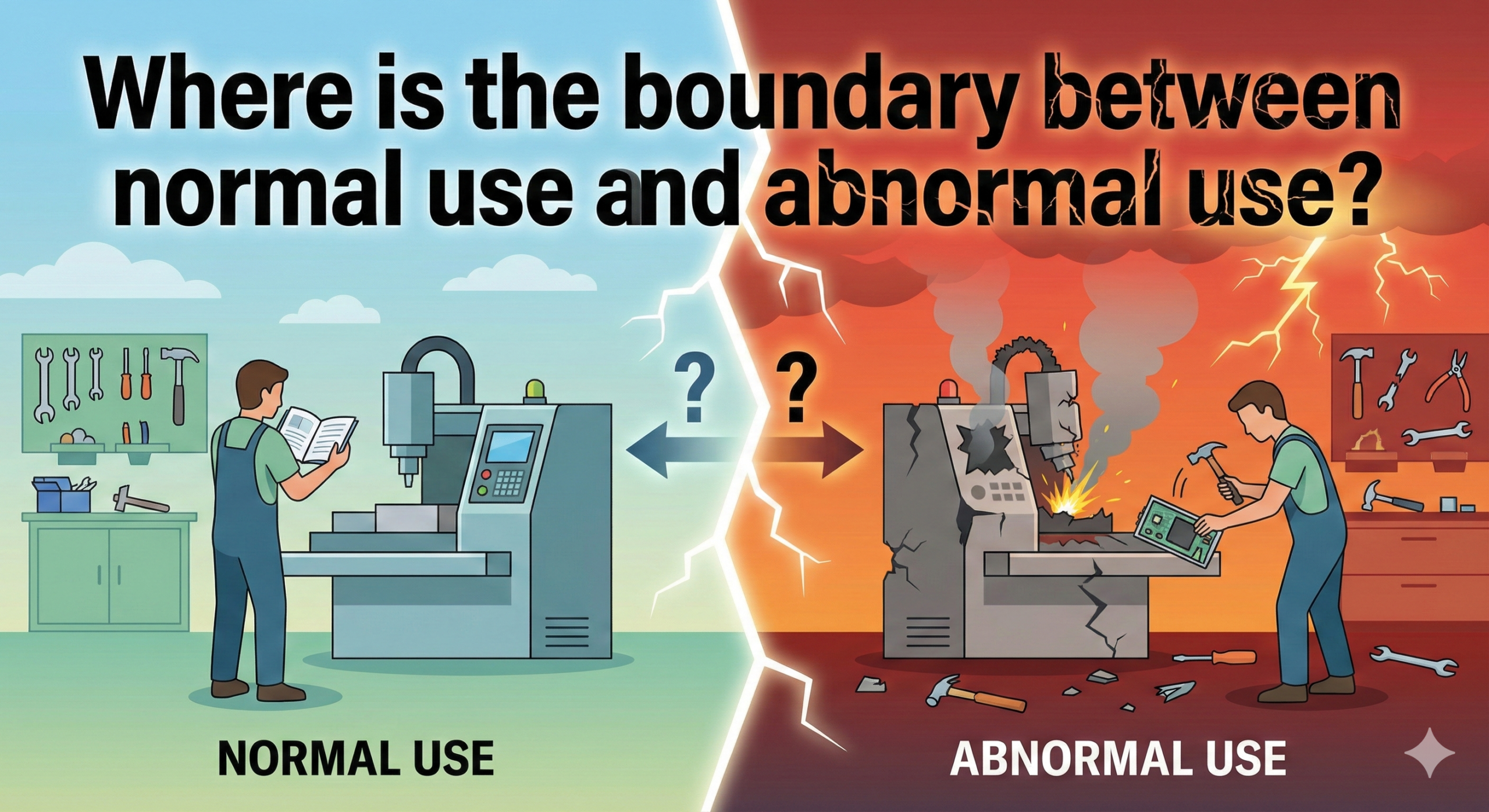
Where Is the Boundary Between Normal Use and Abnormal Use?
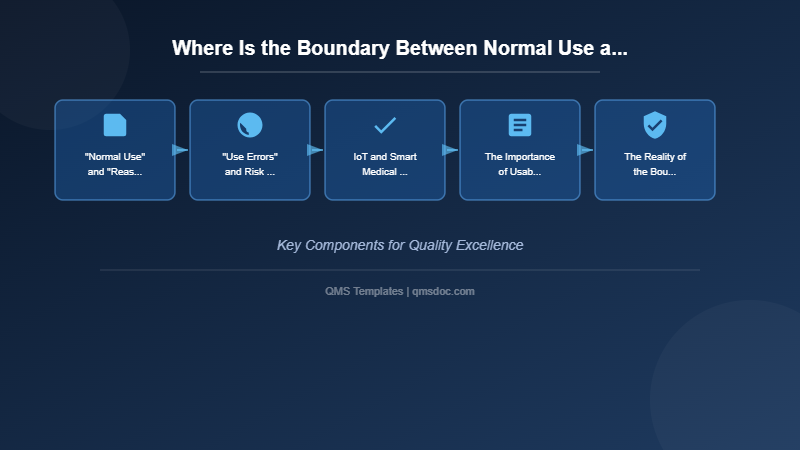
Defining Normal Use and Abnormal Use—Understanding Instructions to Prevent Problems Before They Occur
A variety of products surround us in everyday life. Understanding the complex functions and operating methods of each product requires substantial effort, even to comprehend the instruction manual alone. However, by understanding the boundary between “normal use” as prescribed in the instruction manual and “abnormal use” that deviates from it, we can maximize device performance and prevent unforeseen troubles before they occur. This understanding becomes especially critical for products such as medical devices and IoT devices, where safety and reliability are paramount.
A variety of products surround us in everyday life. Understanding the complex functions and operating methods of each product requires substantial eff…
“Normal Use” and “Reasonably Foreseeable Misuse”
Regulatory authorities and international standards treat the definition of “normal use” with extreme precision. International standards targeting medical devices, such as the IEC 60601 series and ISO 14971 (Risk Management for Medical Devices), introduce the concept of “reasonably foreseeable misuse” in addition to merely the usage methods documented in the instruction manual.
“Normal use” refers to the intended method of using a product as designed by the manufacturer and documented in the instruction manual. For example, in the case of a smartphone, basic operations such as powering it on, using applications, and charging the battery constitute normal use. For medical devices, this also includes specific usage environments such as the patient’s age, physical condition, and clinical situation. When a smartphone is used normally, it performs as intended and provides accurate information.
On the other hand, “reasonably foreseeable misuse” refers to situations in which the possibility of misuse is predictable, even if the user does not follow the instructions in the manual. Examples include submerging a smartphone in water, forcefully inserting a USB cable into a charging port, or leaving it in excessively high or low temperatures for extended periods—actions that users might perform unconsciously or due to insufficient attention. The critical point is that manufacturers are not merely required to cover “normal use”; they are also obligated to perform risk assessments for “reasonably foreseeable misuse” and implement appropriate risk mitigation measures.
This requirement is explicitly stated in the European Union Medical Device Regulation (MDR) and the US FDA‘s Quality Management System Regulation (QMSR). Notably, the 2024 revision of FDA’s QMSR has further strengthened requirements for addressing “reasonably foreseeable misuse.” Additionally, Japan’s PMDA (Pharmaceuticals and Medical Devices Agency) strictly requires manufacturers to analyze the anticipated use environment and misuse scenarios in medical device approval applications.
“Use Errors” and Risk Tolerability
In practice, “use errors” can occur even within the scope of “normal use.” This refers to situations in which a user’s incorrect operations or settings cause the product to not function as intended. For example, disabling Wi-Fi in a smartphone’s settings and consequently losing internet connectivity represents such a situation. In the case of medical devices, such errors might include incorrect dosage settings, sensor misplacement, or software configuration mistakes—situations that could lead to more serious consequences.
The risk management process defined in ISO 14971 requires the identification of all hazardous situations that could occur, including “use errors,” and an assessment of their probability and severity of occurrence. Particularly important is the “severity of harm (hazard)” should a use error occur. Even if a design is prone to user errors, it may be deemed acceptable if the resulting harm is minor; however, if the error could lead to death or serious health consequences, design-stage improvements become unavoidable.
Such use errors can often be resolved by reviewing the instruction manual’s precautions and configuration instructions. However, manufacturer responsibility extends beyond merely documenting information in the manual. From a human factors and usability perspective, manufacturers are required to adopt a defense-in-depth approach encompassing design improvements to prevent misuse, optimization of warning displays, and the enhancement of user education programs.
IoT and Smart Medical Devices: Emerging Challenges
With the proliferation of IoT devices, increasingly multifunctional and high-performance products continue to emerge. Smartphones, wearable devices, remote healthcare systems, and AI-equipped medical devices all require specialized understanding of their respective instruction manuals and mastery of appropriate usage methods.
A characteristic feature of these products is the diversity of user environments and behavioral patterns, as well as the potential for product functionality to change through software updates. For medical devices, regulatory authorities—including the FDA, EU, and PMDA—require careful evaluation of how software updates affect risk management. The 2023 FDA guidance on AI/ML medical devices emphasizes the establishment of monitoring and update systems throughout the entire product lifecycle.
Furthermore, because IoT devices presuppose internet connectivity, cybersecurity becomes an essential element in preventing “abnormal use.” Unauthorized access, data tampering, and device hijacking are also matters that must be included in risk assessment as aspects of “reasonably foreseeable misuse.” Standards such as IEC 62304 (Medical Device Software Development) and the IEC 80001 series (Network-Connected Medical Devices) explicitly define requirements for addressing cybersecurity risks.
The Importance of Usability Engineering
Equally important is the flexibility to tolerate “abnormal use” and “use errors” while maintaining product understanding. This means that manufacturers must move beyond assuming “users should always follow the instruction manual” and instead base their approach on the reality that “all humans are capable of making errors.” Consequently, product design and user interface (UI) improvements must proceed with this premise in mind.
In the field of usability engineering, techniques such as actual user testing, user research, and human factors analysis are employed to identify the causes of use errors at an early stage and eliminate them during the design phase. For example, design accommodating diverse user populations is required—such as color displays discernible by people with color blindness, multi-language icon displays, and intuitively operable button arrangements.
Standards such as ISO 13407 (currently ISO 9241-210: Ergonomics of Human-System Interaction—Part 210: Human-Centred Design for Interactive Systems) and IEC 60601-1-6 (Medical Devices—Part 1-6: General Requirements for Safety and Essential Performance—Usability) establish processes for usability engineering. Many national medical device regulatory frameworks also require submission of usability evaluation reports.
The Reality of the Boundary and Its Application
The boundary between normal use and abnormal use may initially appear clearly documented in the instruction manual. However, in reality, it exists in a more dynamic and complex domain where the instruction manual, user understanding, and regulatory requirements intersect. For manufacturers, the careful examination and deepening of understanding of these elements, coupled with continuous risk assessment, becomes the key to maximizing product utility and preventing troubles before they occur.
For users, rather than ignoring the precautions in the instruction manual, it becomes possible to use products more responsibly by understanding the design philosophy underlying the product’s safety and reliability. As a result, deeper understanding of the product is fostered, enabling users to truly maximize the product’s performance.
Classification Table of Normal Use and Abnormal Use
| Category | Definition | Examples | Manufacturer Responsibility | User Responsibility |
| Normal Use | The intended method of product use as designed by the manufacturer | Operation in accordance with instructions; storage in appropriate environmental conditions | Risk assessment, warning displays, usability testing | Understanding and compliance with instructions |
| Reasonably Foreseeable Misuse | Actions that users might perform unconsciously or due to insufficient attention | Incorrect dosage settings, sensor misplacement, use in environmental conditions outside specifications | Implementation of risk mitigation measures, design improvements, additional warnings | Fulfillment of duty of care |
| Use Error | Operational mistakes during normal use | Incorrect entry of configuration values, misunderstanding of procedures | Usability improvements, implementation of confirmation features | Review and learning |
| Abnormal Use (Unauthorized Use) | Use that clearly violates instructions | Disassembly and modification, intentional submersion, use in excessively extreme temperature environments | Strengthened warning displays | Prohibition |
Regulatory and Standards Context
This article reflects regulatory requirements as of 2024, based on international regulatory trends for medical devices and IoT devices (FDA QMSR revisions, EU MDR, and PMDA requirements) and international standards (ISO 14971, IEC 60601 series, and IEC 62304).
Key Regulatory References
The definition and classification of normal use versus abnormal use have evolved significantly in response to increasing device complexity and digital connectivity. Modern regulatory frameworks require manufacturers to adopt a holistic risk management perspective that extends beyond simple instruction compliance to encompass human factors, software lifecycle management, and post-market surveillance. As IoT and AI technologies become increasingly integrated into medical devices and consumer products alike, the sophistication with which these boundaries are defined and managed continues to advance, reflecting both technological progress and accumulated real-world experience with device-related adverse events.
Future Considerations
The continued evolution of technology, particularly in artificial intelligence, machine learning, and networked systems, will likely necessitate further refinement of the concepts of normal use and abnormal use. Manufacturers and regulators must remain vigilant in assessing how novel functionalities and use cases affect established risk management frameworks, ensuring that product safety and reliability remain paramount as these products become increasingly ubiquitous in both consumer and healthcare environments.
Related Articles
- The Relationship Between URS (User Requirements Specification) and PQ (Performance Qualification)
- Differences Between Pharmaceuticals and Medical Devices
- The Relationship Between CSV, Qualification, and Process Validation
- Understanding the Difference Between Validation and Verification
- Differences Between Calibration and Inspection
- Regulatory Inspection Response in the New Normal

Comment